Blind Test: Samsung F6000F Led Tv vs Lg B5 - Which is Actually Better?
Category: TVs
Introduction
Choosing a television is rarely a purely technical decision; it blends picture characteristics, room conditions, content preferences, budget, and long-term ownership considerations. This blind-test style comparison looks beyond model names to evaluate how two very different approaches to TV design—the Samsung F6000F LED TV and the LG B5 (part of LG's B-series OLED family)—perform in real-world scenarios. Rather than listing raw specifications, the article focuses on how each set behaves for everyday use: watching movies, streaming shows, sports, gaming, and daily family viewing.
Both models target buyers who want good picture quality without excessive complexity, but they come from different technological camps. The Samsung relies on an LED-backlit LCD architecture while the LG is built around OLED pixels that emit their own light. Understanding the practical trade-offs between these fundamental differences is the fastest way to decide which TV is actually better for a specific buyer.
How this comparison was structured
The comparison evaluates the two TVs across common buyer priorities: contrast and black level, brightness and handling in bright rooms, viewing angles, motion handling, HDR behavior, gaming responsiveness, smart platform usability, audio quality, and long-term factors such as reliability and maintenance. Recommendations tie those findings to typical real-world use cases so readers can map the results to their own living rooms and viewing habits.
Detailed product analysis
Samsung F6000F (LED TV) — Practical strengths and where it shines
The Samsung F6000F represents a conventional LED/LCD approach designed to deliver bright images and generally good handling for mixed content. In practical viewing situations this architecture tends to provide:
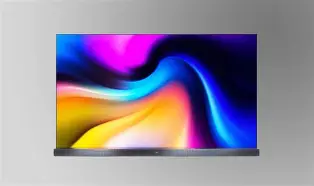
- Good peak brightness: LEDs are often capable of producing higher peak luminance than OLEDs, which helps render vivid highlights in HDR content and improves visibility in sunlit living spaces.
- Strong color pop in bright scenes: When watching daytime outdoor footage, sports, or reality TV, the image looks punchy and crisp under ambient light.
- Affordability and value: LED models are typically priced lower than OLED counterparts when comparing like-for-like screen sizes, which can be important for budget-conscious buyers or households needing multiple TVs.
- Lower perceived risk of image retention: For users who leave static content on-screen for long periods (e.g., news tickers or console UI), LED panels present less risk of permanent burn-in.
Where the Samsung F6000F is less strong is in the deepest shadow detail and absolute black uniformity. Because LEDs rely on a backlight, achieving perfect blacks across the screen depends on the TV's dimming capabilities. In a dark home theater environment, the difference is noticeable compared to OLED.
LG B5 (OLED) — Practical strengths and where it shines
The LG B5 comes from the OLED family where each pixel is self-emissive. In real-world use, these properties translate into:
- Exceptional contrast and black levels: OLED delivers near-perfect blacks and outstanding detail in shadowed scenes, which produces a cinematic look for movies viewed in dark rooms.
- Wide viewing angles: Color and contrast remain much more consistent when viewing off-center, making the set ideal for wide seating arrangements or family rooms where viewers sit across a broad arc.
- Uniformity and local detail: Subjects standing out against dark backgrounds (film credits, night scenes) tend to look more natural and defined on OLED.
- Thin form factor: OLED sets are often slimmer and visually more discreet, which can matter in minimalist living spaces.
On the flip side, OLEDs can be less bright overall compared with LED-based TVs, which affects HDR specular highlights in brightly lit rooms. Also, OLED technology has a history—albeit much improved—of image retention risk with prolonged static elements, a consideration for some heavy-use scenarios.
Pros & Cons
Samsung F6000F — Pros & Cons
- Pros:
- Bright panel that performs well in sunlit rooms
- Punchy colors for daytime and sports viewing
- Lower upfront cost compared to OLEDs at similar sizes
- Lower risk of long-term burn-in for static content
- Cons:
- Black levels and contrast are inferior to OLED in dark-room viewing
- Viewing angles are narrower; contrast shifts off-axis
- Shadow detail can look washed where backlight uniformity is limited
- Built-in speakers are often thin; external audio recommended
LG B5 — Pros & Cons
- Pros:
- Near-perfect blacks and outstanding contrast for movies
- Excellent viewing angles and uniform picture quality
- Highly detailed shadow performance useful for cinematic content
- Elegant, slim design that fits modern interiors
- Cons:
- Produces less peak brightness, which can limit HDR highlights in bright rooms
- Potential long-term risk of image retention with heavy static elements (mitigation strategies exist)
- Typically higher price point for a given screen size versus LED alternatives
- As with the Samsung, internal speakers are modest
Comparison table
| Category | Samsung F6000F (LED) | LG B5 (OLED) |
|---|---|---|
| Panel type | LED-backlit LCD | OLED (self-emissive) |
| Black level & contrast | Good, but depends on backlight dimming | Exceptional, true blacks and high local contrast |
| Bright-room performance | Stronger — retains detail and pop in sunlight | Less bright — may look subdued in direct sunlight |
| Viewing angles | Narrower; color shifts off-axis | Wide; consistent color and contrast |
| Motion handling | Good — motion interpolation available | Excellent — OLED pixels switch quickly |
| Gaming responsiveness | Typically low input lag with game mode | Very low input lag; excellent for console gaming |
| HDR experience | HDR looks punchy in highlights, limited deep blacks | Better shadow HDR detail and tone mapping but lower specular peak |
| Smart platform | Feature-rich smart platform; ecosystem-dependent | Robust smart platform with straightforward UX |
| Risk of burn-in | Low | Present but manageable with usage patterns and built-in protections |
| Price/value | Generally better value for larger sizes | Premium pricing for superior contrast and viewing angles |
| Best for | Bright living rooms, sports, families, budget-minded buyers | Home theater, cinema lovers, wide seating rooms, gamers seeking deep blacks |
Real-world use cases
Family living room with lots of ambient light
For families who watch television during daylight hours or in rooms with large windows, a brighter LED like the Samsung F6000F is typically a better fit. Its increased peak luminance helps preserve contrast when sunlight floods the room, and the durability characteristics of LED panels make them forgiving with varied day-to-day use.
Looking for the best TVs & Home Theater deals on Amazon?
See Deals →Dedicated dark home theater
For viewers who prefer a controlled, dim viewing environment and want a cinematic presentation of movies, the LG B5 is the stronger choice. OLED's infinite contrast and perfect blacks render filmic images with subtle shadow detail and a “floating” picture that enhances immersion.
Gaming
Both TVs can serve as capable gaming displays. The LG often pulls ahead due to its extremely fast pixel response and excellent input lag performance, which together produce responsive gameplay and crisp motion. The Samsung remains competitive, especially if the user's priority is playing in a bright room or using the TV for mixed family activities.
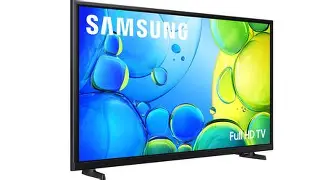
Sports and live events
Sports fans who prioritize overall brightness, vibrant highlights, and uninterrupted high-energy action may prefer the Samsung, which keeps images lively under a variety of ambient lighting conditions. However, OLED's motion performance and deep contrast can make certain sports moments feel more detailed and film-like in a darker room.
Buying guide: How to pick between them
Selecting the right TV comes down to matching technology strengths to actual viewing habits and room conditions.…1. Assess room lighting
If the main viewing space is bright during viewing hours, prioritize TVs with higher peak brightness and anti-reflective screens. In this scenario, an LED set like the Samsung F6000F tends to perform better. If the room can be darkened or is naturally dim, OLED's superior black performance will have a more visible impact.
2. Define primary content
For movie enthusiasts who watch a lot of cinematic content and care about black levels and depth, OLED is the natural choice. For sports, daytime TV, and varied household use, a bright LED may be more practical and satisfying.
3. Consider seating and viewing angles
Wide seating arrangements benefit from OLED's stable off-axis color and contrast. If the household’s seating spreads across a large angle relative to the screen, give weight to the LG B5.
4. Prioritize gaming features
Check for low-latency game modes, variable refresh rate support, and the number and version of HDMI ports. While both TVs can be used for gaming, buyers seeking the highest responsiveness should verify the specific gaming capabilities of the model year before committing.
Find top-rated TVs & Home Theater products at great prices.
View Offers →5. Think long-term reliability and usage patterns
If the TV will display static elements frequently (e.g., news tickers, scoreboard overlays, or a console UI left on for long periods), LED's lower risk of permanent retention could be an advantage. For mixed use with varied content, OLED's protections and pixel-shift technologies minimize practical concerns for most buyers.
6. Factor in audio plans
Neither set is likely to match a dedicated sound system. Plan for a soundbar or AV receiver if audio fidelity and bass are important, and ensure the TV has the audio outputs and features required by the chosen sound solution.
7. Evaluate budget and future upgrades
Set a budget that accounts for accessories (wall mounts, cables, sound). If the budget allows, prioritize display quality over extras, as upgrade cycles for TVs are long and display tech defines the viewing experience most directly.
Practical tips for buyers
- Inspect the TV in the lighting environment where it will be used—pictures can look very different in a showroom than at home.
- Use the TV's built-in picture modes as starting points, then fine-tune brightness, contrast, and color temperature for the room.
- Test for input lag if gaming is important—many stores allow demoing with a console or game mode measurements.
- Consider extended warranties if the TV will be used heavily or in a commercial setting.
- Plan cable management and confirm that available HDMI ports match current and near-future devices.
Conclusion
The Samsung F6000F and the LG B5 cater to different priorities: the Samsung delivers strong performance in bright, active living rooms and offers reliable, punchy images at typically lower price points, while the LG B5 provides superior contrast, deeper blacks, and more consistent off-axis viewing that suit cinematic viewing and wide seating arrangements.
Which is “actually better” depends on how the TV will be used. For bright-room versatility, family-oriented viewing, and lower concern about static UI elements, the Samsung F6000F is a practical and compelling choice. For those who prioritize cinematic picture quality, unrivaled blacks, and uniformity—especially in a controlled lighting environment—the LG B5 stands out.
Buyers should weigh room light, the type of content they watch most often, seating layout, and plans for gaming or audio upgrades. Both TVs perform well within their design goals, and selecting the right one comes down to matching those goals to the household’s viewing habits.